
Understanding Gambling Addiction
Gambling addiction, often referred to as compulsive gambling, is a complex psychological condition that affects millions of individuals worldwide. It is characterized by an uncontrollable urge to gamble despite the negative consequences that often accompany this behavior. Those struggling with gambling addiction may find themselves prioritizing gambling over essential aspects of life, such as work, relationships, and financial stability, making activities like nrl betting particularly concerning for their overall well-being and financial health. This compulsion is not merely about the act of gambling itself, but rather the underlying psychological mechanisms that drive these individuals to engage in risky betting behavior.
The psychological aspects of gambling addiction can be attributed to various factors, including cognitive distortions, emotional dissatisfaction, and environmental influences. Cognitive distortions, such as the illusion of control, lead individuals to believe they can influence the outcome of random events, reinforcing their need to gamble. Emotional dissatisfaction often results from unmet needs or unresolved issues in a person’s life, prompting them to seek escapism through gambling as a way to cope with stress or anxiety. Additionally, social and peer influences can play a significant role in shaping gambling behaviors, particularly among younger individuals.
Furthermore, the neurobiological aspects of gambling addiction should not be overlooked. Research indicates that gambling activates the brain’s reward pathways in a similar way to drugs and alcohol, releasing dopamine and creating feelings of pleasure. This biochemical reaction can lead to a cycle of chasing losses, where individuals continue to gamble in an attempt to recapture their previous losses, further entrenching their addiction. Understanding these psychological dynamics is crucial for developing effective treatment strategies and support systems for individuals affected by gambling addiction.
Signs and Symptoms of Gambling Addiction
Identifying gambling addiction can be challenging, as it often develops gradually and can be hidden beneath layers of denial. However, certain signs and symptoms can indicate a gambling problem. For instance, individuals may experience an increasing preoccupation with gambling, spending excessive amounts of time thinking about past bets or planning future gambling activities. This obsession may come at the expense of other interests, leading to a withdrawal from social activities or relationships that do not involve gambling.
Financial problems are another prevalent symptom of gambling addiction. Individuals may find themselves incurring significant debts, borrowing money, or even engaging in illegal activities to fund their gambling habits. This financial strain often leads to heightened stress and anxiety, which may, in turn, exacerbate the addiction. Furthermore, those affected may exhibit deceitful behavior, hiding their gambling activities from friends and family, or minimizing the extent of their losses, which can perpetuate the cycle of addiction.

The emotional toll of gambling addiction can be profound. Many individuals experience feelings of shame, guilt, and despair due to their gambling behavior, which can further isolate them from their support networks. Additionally, the highs and lows of gambling can lead to mood swings, irritability, and other emotional dysregulations. Recognizing these signs early can be crucial for individuals, as well as their loved ones, to seek help and find the appropriate resources to address the addiction before it spirals further out of control.
Causes of Gambling Addiction
The causes of gambling addiction are multifaceted and can vary significantly from person to person. Genetic predisposition plays a crucial role; studies suggest that individuals with a family history of addiction are more susceptible to developing gambling problems. This genetic risk predisposes individuals to impulsivity and risk-taking behaviors, making them more inclined to engage in gambling as a form of excitement.
Environmental factors are equally important in shaping gambling behaviors. Exposure to gambling at a young age can normalize the activity and lead to a higher likelihood of problematic gambling later in life. Additionally, socio-economic factors, such as poverty or unemployment, can increase the appeal of gambling as a perceived shortcut to financial security. Communities where gambling is prevalent often have a culture that encourages risky betting behaviors, which can further exacerbate the issue.
Psychological factors, such as co-occurring mental health disorders, also play a significant role in the development of gambling addiction. Many individuals who struggle with depression, anxiety, or substance abuse problems may turn to gambling as a means of coping or escaping their issues. This maladaptive coping mechanism can lead to a vicious cycle in which gambling becomes the primary source of relief, ultimately worsening their underlying mental health conditions and entrenching the addiction.
Treatment and Recovery Options
Treating gambling addiction requires a multifaceted approach that addresses the psychological, emotional, and social dimensions of the disorder. Cognitive-behavioral therapy (CBT) is one of the most effective treatment modalities, as it helps individuals identify and challenge the cognitive distortions that contribute to their gambling behavior. CBT also focuses on developing healthier coping strategies and enhancing problem-solving skills, enabling individuals to manage their impulses more effectively.
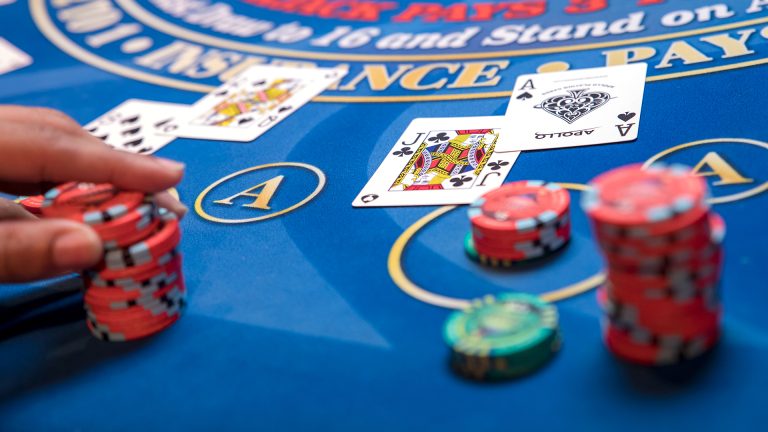
Support groups, such as Gamblers Anonymous, provide a vital community for those in recovery. These groups offer a space for individuals to share their experiences and struggles, fostering a sense of belonging and understanding. The shared stories of triumphs and setbacks can serve as powerful motivators, encouraging individuals to commit to their recovery journey. This communal support is essential in combating the feelings of isolation that often accompany gambling addiction.
In some cases, medication may also be prescribed to assist individuals in overcoming gambling addiction. Selective serotonin reuptake inhibitors (SSRIs) and other mood stabilizers have shown promise in reducing compulsive gambling behaviors. The combination of therapeutic approaches, community support, and, when necessary, medication creates a holistic recovery plan that can help individuals regain control over their lives and break free from the grasp of gambling addiction.
Resources for Those Affected by Gambling Addiction
For individuals and families affected by gambling addiction, numerous resources are available to provide assistance and support. Many organizations focus on raising awareness about gambling addiction, offering educational materials, hotlines, and access to local treatment programs. These resources can be invaluable for individuals struggling with addiction and for those who wish to support their loved ones during recovery.
Online forums and support groups can also provide a platform for individuals to connect, share their experiences, and find encouragement. These virtual spaces often allow for a degree of anonymity, which can be particularly appealing for those hesitant to seek help in person. Many individuals find solace in knowing they are not alone in their struggles and that others have successfully navigated similar paths toward recovery.
It is essential for individuals to recognize that seeking help is a sign of strength, not weakness. The path to recovery may be challenging, but it is achievable. By utilizing available resources and support systems, individuals can work towards overcoming gambling addiction and rebuilding their lives, free from the constraints of compulsion.
