
The psychology behind high-stakes gambling decisions
The allure of high-stakes gambling
High-stakes gambling attracts individuals for a variety of reasons, with the thrill and excitement being at the forefront. The adrenaline rush associated with placing significant bets can create a euphoric state, leading players to chase the thrill. This psychological high not only makes the experience enjoyable but can also compel individuals to take greater risks than they typically would in everyday life. Over time, this thrill-seeking behavior can become ingrained, leading to habitual participation in high-stakes environments. As a result, many are drawn to platforms like Casea, where they can fully immerse themselves in the experience.
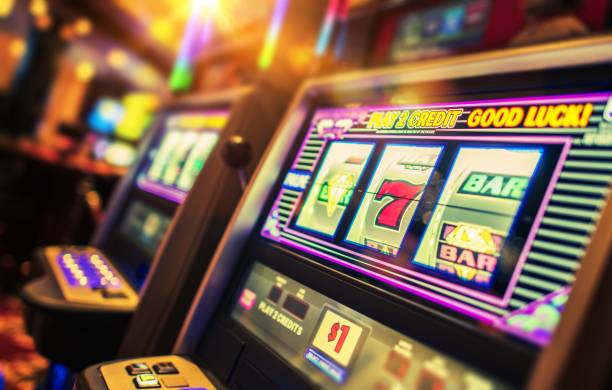
Moreover, the social aspect of gambling plays a crucial role in its allure. Many high-stakes gamblers often find themselves in exclusive environments where camaraderie among players is common. This shared experience can create a sense of belonging and identity, further enhancing the appeal. The interaction with other players and the atmosphere of competition can also heighten the excitement, making participants feel more alive and engaged.
Additionally, the prospect of substantial financial gains acts as a powerful motivator. The potential to win large sums of money in a single wager can overshadow the risks involved. This focus on the reward can lead to an overestimation of one’s chances of winning, encouraging further engagement despite the inherent dangers. The combination of thrill, social interaction, and financial incentive creates a complex web of psychological factors that drive individuals toward high-stakes gambling decisions.
Risk perception and decision-making
Risk perception is a key element in understanding the psychology behind high-stakes gambling decisions. Individuals often have a skewed perception of risk when it comes to gambling, particularly in high-stakes situations. The excitement and anticipation of a potential win can cloud judgment, leading players to underestimate the likelihood of loss. This phenomenon, known as cognitive bias, skews decision-making processes, making players more susceptible to taking greater risks.
Furthermore, the “gambler’s fallacy” plays a significant role in shaping decisions. This cognitive bias leads individuals to believe that past outcomes will influence future ones, despite the randomness of gambling games. For example, a player may think that a particular slot machine is “due” for a payout after a series of losses. This fallacy can drive them to continue betting, leading to higher stakes and potentially more significant losses. Understanding these biases is crucial for recognizing why some individuals make reckless decisions in high-stakes environments.
Additionally, emotional factors significantly impact decision-making in gambling scenarios. Fear, excitement, and anxiety can all influence how players assess risks and make choices. For instance, during a winning streak, players may feel invincible, causing them to take larger bets than they normally would. Conversely, after a string of losses, they might experience a compulsion to recoup their losses, leading them to make impulsive and high-risk decisions. The interplay between emotion and rationality is complex in the world of high-stakes gambling.
Behavioral economics in gambling
Behavioral economics provides valuable insights into the decision-making processes of high-stakes gamblers. Concepts such as loss aversion suggest that individuals experience losses more acutely than gains. This principle explains why many gamblers tend to chase their losses, feeling a strong psychological drive to recover what they have lost. This often results in players increasing their bets, which can lead to a downward spiral of financial loss.
Furthermore, the framing effect highlights how the presentation of information influences decisions. For example, gamblers might view a high-stakes gamble as an opportunity rather than a risk when presented in a way that emphasizes potential gains. This framing can manipulate perceptions and lead to riskier behaviors, with players feeling justified in their decisions even when the odds are against them. Behavioral economics illustrates how cognitive shortcuts and emotional responses can lead to irrational decision-making in gambling contexts.
Additionally, the concept of temporal discounting reveals how individuals prioritize immediate rewards over future consequences. In gambling, the allure of a quick win often overshadows the potential long-term repercussions of high-stakes decisions. This tendency can result in players continually placing bets in hopes of a substantial payoff, despite the increasing likelihood of financial strain. Understanding these behavioral economic principles sheds light on the complexities of gambling decisions and the psychological traps that players may fall into.
The role of addiction in gambling behavior
Addiction is a significant factor influencing high-stakes gambling decisions. The cycle of reinforcement associated with gambling can lead to compulsive behaviors, where individuals feel driven to gamble despite negative consequences. This addiction often stems from the initial thrill and potential rewards that gambling provides, which can create a loop of desire and behavior that is difficult to break. Many high-stakes gamblers find themselves trapped in this cycle, where the high from winning becomes increasingly elusive.
Moreover, the neurological aspects of addiction further complicate the issue. Research indicates that gambling can activate the brain’s reward systems similarly to drugs or alcohol, leading to changes in behavior and decision-making. The release of dopamine during a win reinforces the behavior, making it more likely that individuals will return to gambling in search of the same rush. Understanding the neurobiological underpinnings of gambling addiction is essential for comprehending the challenges faced by those involved in high-stakes gambling.
Furthermore, social and environmental factors contribute to gambling addiction. Individuals in environments where gambling is normalized or encouraged may be more susceptible to developing addictive behaviors. The accessibility of online gambling platforms has also increased the prevalence of high-stakes gambling, making it easier for individuals to engage in risky behaviors. Addressing gambling addiction requires a multifaceted approach that takes into account psychological, social, and environmental factors to promote healthier decision-making.
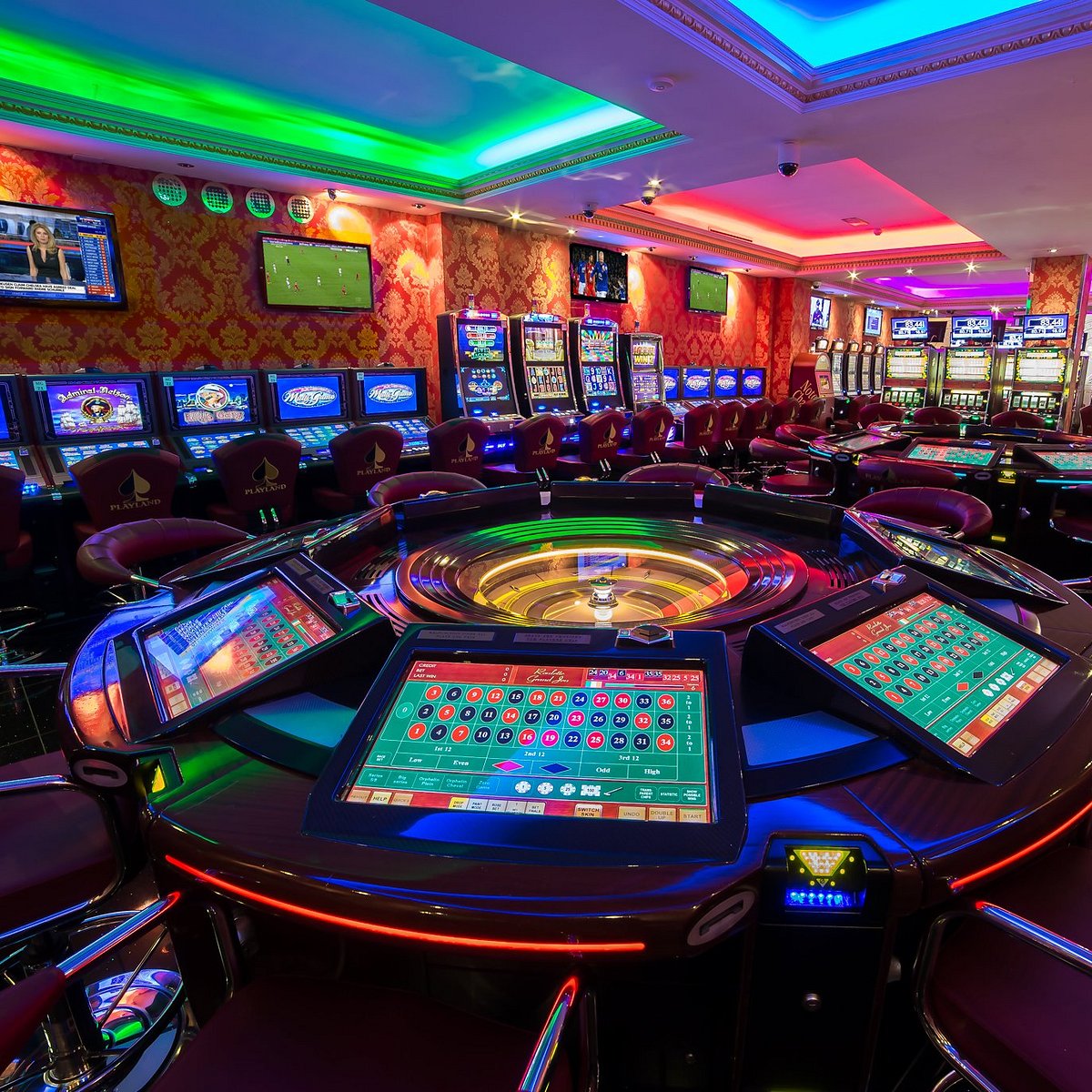
Casea Casino: A safe environment for gamblers
Casea Casino understands the intricate psychology behind high-stakes gambling decisions and strives to create a safe and secure environment for players. With a broad range of over 200 games from reputable providers like NetEnt and Microgaming, players have access to an exciting online gaming experience. This wide selection caters to different preferences, ensuring that everyone can find something enjoyable while managing their gambling habits effectively.
New users at Casea Casino are welcomed with an attractive incentive, including a generous welcome bonus of 100% up to NZ$1000 and 200 free spins. This thoughtful approach helps players start their gambling journey on a positive note, allowing them to explore games without feeling undue financial pressure. Casea Casino prioritizes user safety with SSL encryption and secure payment options, fostering a trustworthy environment where players can engage confidently.
Additionally, Casea Casino emphasizes responsible gaming practices. The site offers resources for players to understand their gambling habits better and implement measures to ensure they gamble responsibly. With responsive customer support and a user-friendly interface, players can easily navigate the site and access helpful information. By combining a thrilling gaming experience with a commitment to user safety, Casea Casino provides an engaging platform that acknowledges the psychological nuances of high-stakes gambling.
