
The Role of Environment in Casino Design
The environment within a casino plays a critical role in shaping the experiences of its patrons. The choice of colors, lighting, and layout is meticulously crafted to evoke particular emotions and prolong the stay of guests. For instance, warm tones can create an inviting atmosphere, while strategic use of cooler hues can energize patrons in gaming areas. In addition, many players enjoy exploring no verification casinos that offer a seamless and enjoyable gaming experience. This deliberate manipulation of environmental elements is designed not only to attract visitors but also to keep them engaged for extended periods.
Another significant aspect of casino design is the use of spatial arrangements. Studies show that the flow of movement within a casino can influence gambling behavior. An open layout encourages exploration and interaction, while strategically placed gaming machines can create a sense of intimacy and excitement. This careful consideration of space aims to increase the likelihood of patrons participating in various games and attractions, ultimately enhancing their overall experience.
Moreover, sound design provides another layer to the environment’s impact. Casinos employ a specific auditory landscape, with the sounds of machines, chatter, and music designed to stimulate and entice gamblers. The audio environment can enhance feelings of euphoria and excitement, which are crucial in maintaining a vibrant and thrilling atmosphere. By controlling both the visual and auditory elements, casinos create an immersive experience that deeply influences player psychology.
Psychological Triggers and Gaming Behavior
Understanding psychological triggers is essential for casino design, as they play a pivotal role in influencing gaming behavior. Casinos leverage the concept of operant conditioning, using rewards and reinforcement to encourage players to continue engaging with games. For example, the occasional payout, albeit small, can create a psychological urge to keep playing, as players may believe that larger rewards are imminent. This expectation can lead to extended gaming sessions, as individuals often chase their losses or the promise of winning.
The layout of gaming machines, particularly in high-traffic areas, is also a calculated strategy. Designers often place slot machines closer together to create a social environment where players feel encouraged to engage with one another. This perceived social aspect of gambling can heighten the excitement level, making patrons more likely to spend additional time and money. The combination of social interaction and the thrill of play acts as a potent psychological motivator for repeated visits.

In addition to physical proximity, casinos often employ loyalty programs and promotional campaigns to stimulate player engagement. These programs leverage the psychology of scarcity and exclusivity, enticing players to frequent specific establishments in pursuit of rewards or status. By appealing to intrinsic motivations, casinos can enhance customer loyalty while fostering an environment that maximizes engagement and spending. Such strategies highlight the intricate relationship between design and psychological triggers in driving gambling behavior.
The Importance of Branding and Aesthetics
Branding plays an essential role in casino design as it communicates the identity and ethos of the establishment. A well-defined brand presence can attract specific demographics, influencing the overall aesthetic choices in the design process. Luxury casinos may opt for opulent decor and sophisticated layouts to appeal to high-roller clientele, while more casual establishments might focus on a vibrant, laid-back atmosphere. This alignment between branding and design helps to create a coherent experience that resonates with target audiences.
The visuals used in signage, artworks, and color schemes further reinforce the casino’s brand message. For instance, using gold accents might signify prestige and wealth, while bright neon lights can suggest fun and excitement. The aesthetic choices made in the casino setting are crucial, as they translate the brand’s core message into a sensory experience that patrons instinctively recognize and associate with their feelings towards the establishment.
Moreover, the psychological impact of aesthetics cannot be underestimated. Research highlights that beautifully designed spaces can elicit positive emotions and enhance satisfaction levels among visitors. The interplay of design elements and aesthetics creates a unique ambiance that can significantly influence a patron’s willingness to return. Through thoughtful branding and sophisticated design principles, casinos can cultivate a devoted following and create memorable experiences that drive repeat visits.
Gamification and Engagement Strategies
Gamification refers to the integration of elements typically found in games into non-gaming contexts to enhance user engagement. In casinos, this strategy is employed to make the gaming experience more interactive and enjoyable. Features like leaderboards, challenges, and rewards induce a sense of competition and accomplishment among players, further motivating them to engage more deeply with the games available. This approach extends beyond traditional gaming environments, adding an element of playfulness that appeals to a wider audience.
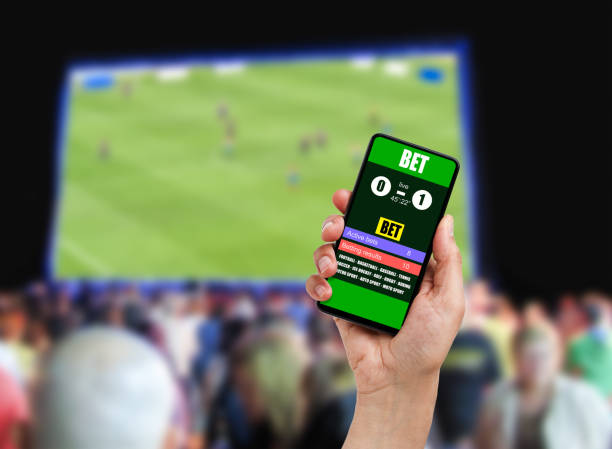
Additionally, casinos often incorporate technology to enhance gamification strategies. Interactive touchscreens and mobile applications that provide instant access to rewards and promotions can bridge the gap between in-casino and online experiences. By providing seamless interaction, casinos not only cater to a tech-savvy demographic but also keep patrons entertained even when they are away from the physical location. This connectivity is vital in today’s increasingly digital society.
Furthermore, gamification fosters loyalty by creating a personalized experience for each visitor. By tracking player behavior and preferences, casinos can tailor promotions and rewards to individual interests, effectively enhancing the overall experience. This individualized approach not only increases customer satisfaction but also boosts spending as players feel more valued and invested in their experience. The implementation of gamification in casino design is a powerful tool that enhances engagement and prolongs patron interactions.
Exploring Casinos Online: A New Frontier
The rise of online casinos has transformed the landscape of gambling, creating new opportunities for design and user experience. In digital spaces, the principles of casino design are equally applicable, as developers aim to create immersive environments that capture the excitement of traditional casinos. Online platforms utilize vibrant graphics, engaging narratives, and interactive features to create a captivating gaming atmosphere that draws players in.
Understanding user psychology remains paramount in online gaming design. Developers craft experiences that mimic the thrill of in-person gambling by incorporating elements such as live dealer games and social features that foster community among players. This blending of technology and psychology ensures that online platforms can replicate the same immersive experiences found in physical casinos, enabling them to maintain player interest and satisfaction.
Moreover, the development of mobile-friendly gaming options illustrates the adaptability of casino design in the digital age. As more players engage with games on their phones, the need for intuitive interfaces and seamless user experiences becomes critical. By understanding the psychology of mobile users and their preferences, developers are creating platforms that cater to a new generation of gamblers, ensuring that the spirit of casino design continues to thrive in the ever-evolving online landscape.
