
The Role of Luck in Casino Games
Luck plays a significant role in the outcome of many casino games, particularly those that are largely based on chance, such as slot machines, roulette, and craps. The randomness inherent in these games means that players have little control over the results. For example, a player spinning a slot machine does not influence where the reels will stop, and thus, their success largely depends on fortune. Many enthusiasts enjoy exploring casinos sister sites to discover new games, and this element of unpredictability is what attracts many individuals, as it offers the possibility of sudden and substantial wins.
Moreover, the psychological effect of luck can be a powerful motivator for players. The thrill of winning against the odds can create a euphoric experience that keeps players returning for more. The occasional big win can lead to a belief in a “lucky streak,” where players think they are on a roll and continue to gamble, often against their better judgment. This phenomenon illustrates how integral luck is to the overall casino experience, providing excitement and an element of surprise that can be hard to replicate in more skill-based games.
However, relying solely on luck can have its pitfalls. Many players may find themselves falling into the trap of gambling without any strategy, hoping for a lucky day to balance out their losses. This can lead to significant financial consequences, making it crucial for individuals to understand the limitations of luck in casinos. While it can create exhilarating moments, prudent players recognize that luck alone is not a sustainable strategy for long-term success.
The Importance of Skill in Casino Strategy
While luck is undeniably a factor, the importance of skill cannot be understated in many casino games. Skill-based games such as poker, blackjack, and even baccarat require a deep understanding of strategy, mathematics, and psychology. For instance, in poker, a player’s success hinges on their ability to read opponents, calculate odds, and make strategic decisions based on incomplete information. This highlights how skill can significantly influence outcomes and provide a competitive edge.
Additionally, skilled players often employ various techniques to increase their chances of winning. In blackjack, for example, players can use basic strategy charts to determine whether to hit, stand, double down, or split based on their hand and the dealer’s visible card. Such skills can reduce the house edge, allowing players to gain a more favorable position over time. This not only enhances their chances of winning but also adds a layer of intellectual engagement that pure luck-based games may lack.
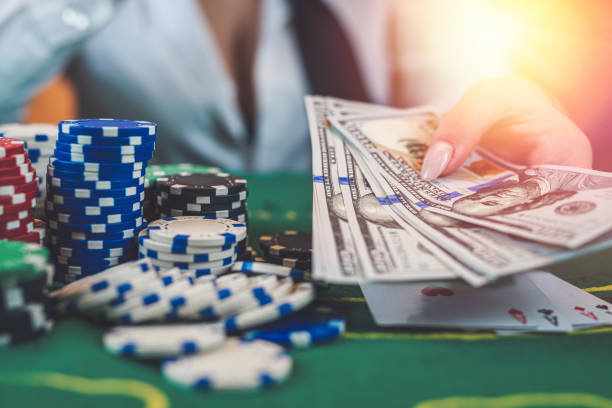
Moreover, the balance between luck and skill in casinos creates a diverse environment for players. Those who prefer relying on their analytical abilities or strategic thinking can enjoy table games where skill tips the scales, while those drawn to adrenaline-inducing moments can find their thrills in luck-centric games. This combination allows casinos to cater to a wide range of preferences, ensuring that both skilled strategists and lucky gamblers have a place within the gaming spectrum.
Understanding Probability and Risk
In the realm of casinos, understanding probability is essential for both luck and skill-based games. Probability outlines the likelihood of certain outcomes occurring, and players who grasp these concepts can make more informed decisions. For instance, the odds of hitting a specific number in a roulette game can help players understand potential returns on their bets. This awareness not only influences how much they wager but also how they approach their overall gaming strategy.
Along with probability, risk management is another crucial element that intertwines with both luck and skill. In skilled games like poker, players must assess the risk associated with each hand, determining whether to play aggressively or conservatively based on the situation. Conversely, in luck-based games, players must recognize when to walk away, particularly when luck seems to be absent. Balancing risk with an understanding of probability can significantly increase one’s potential for long-term success.
Moreover, the integration of luck and skill through understanding probability and risk creates a more enriching experience for players. It allows them to engage with the games on a deeper level, combining the thrill of chance with the satisfaction of employing strategic thinking. By enhancing their knowledge of these concepts, players can navigate the casino environment with greater confidence, making choices that align with both their instincts and analytical skills.
The Social Dynamics of Casino Gambling
Casinos are not just places for gambling; they are also vibrant social hubs. The interplay between luck and skill can shape social interactions and create a unique atmosphere that enhances the gaming experience. Players often engage in conversations about strategies, share tips, and celebrate each other’s wins, fostering a sense of community. This social interaction is particularly evident in table games where players are seated together, creating lively discussions about hands played and decisions made.
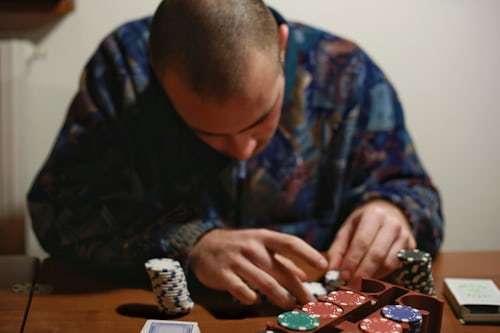
Moreover, the presence of luck can amplify these social dynamics, leading to shared moments of excitement. When a player hits a jackpot or makes a bold bet that pays off, it can elicit cheers and applause from fellow gamblers, turning individual wins into collective celebrations. This camaraderie can enhance the overall experience, providing players with a sense of belonging and shared joy in the unpredictable nature of casino gaming.
In addition to fostering community, the social aspect of gambling can influence decision-making. Players may feel more confident when playing alongside others who are equally invested in the game. The discussions that arise around tables can lead to new insights into strategies and approaches, blending the elements of luck and skill into a nuanced social fabric that enriches the casino atmosphere.
Conclusion: Embracing the Balance Between Luck and Skill
In conclusion, understanding the roles of both luck and skill in casinos is vital for any player looking to enhance their gaming experience. While luck can lead to unexpected wins and thrilling moments, skill empowers players to make informed choices that can significantly improve their odds in many games. This synergistic relationship between chance and strategy creates a rich and diverse landscape within casinos, appealing to a wide range of preferences and play styles.
As individuals engage in various games, they should recognize the significance of balancing their approaches. By appreciating the role of luck while also honing their skills, players can navigate the casino environment more effectively. This balance not only leads to more enjoyable experiences but also fosters a greater understanding of the complexities involved in gambling.
Ultimately, embracing the interplay of luck and skill can transform the way people perceive their casino experiences. By combining strategy with the thrill of chance, players can maximize their enjoyment and possibly enhance their overall success. Whether drawn to the allure of luck or the challenge of skill, the casino remains an exciting landscape where both elements are intricately woven into the fabric of gaming culture.
